- magscience@domain.com
- Sunset Road ST.3319, Denpasar, Bali


Category: DF Blogs
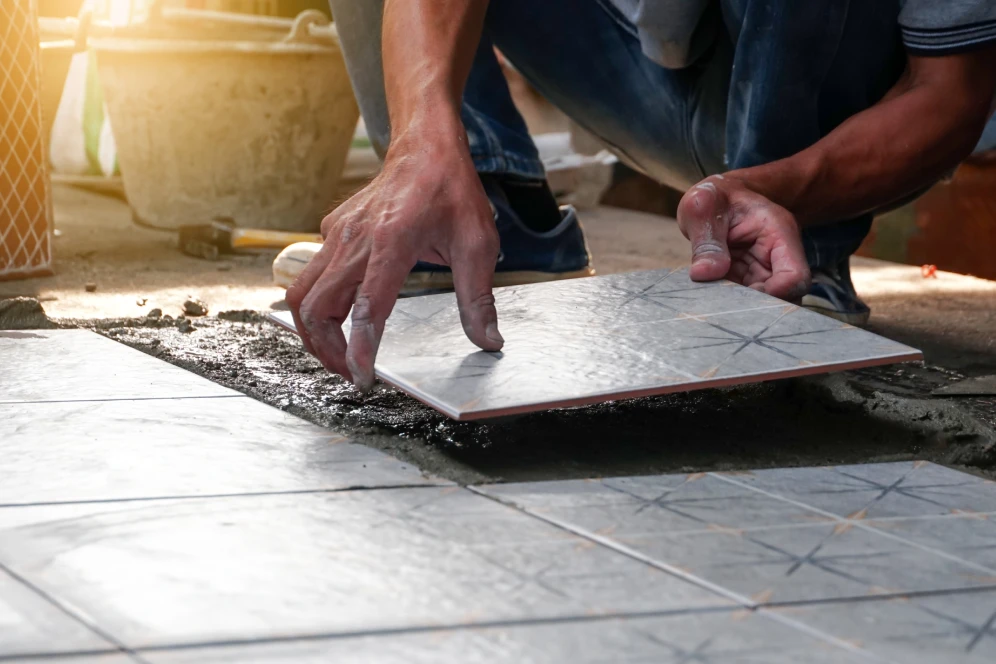
The Best Floor Tile Adhesive for Concrete: A Guide by Leading Adhesive Brands in India
There is a specific sound that every homeowner, architect, and site engineer dreads. It is that hollow, echoing thud when you tap on a floor tile. That sound is the heartbeat of a failing floor. It means the bond has died, air pockets have moved in, and it is only a matter of time before that expensive vitrified tile or Italian marble slab cracks under pressure. For decades, the Indian construction sector relied on the traditional “sand-cement slurry” method. While it worked for the small, porous ceramic tiles of the 1990s, it is a recipe for disaster with today’s dense,
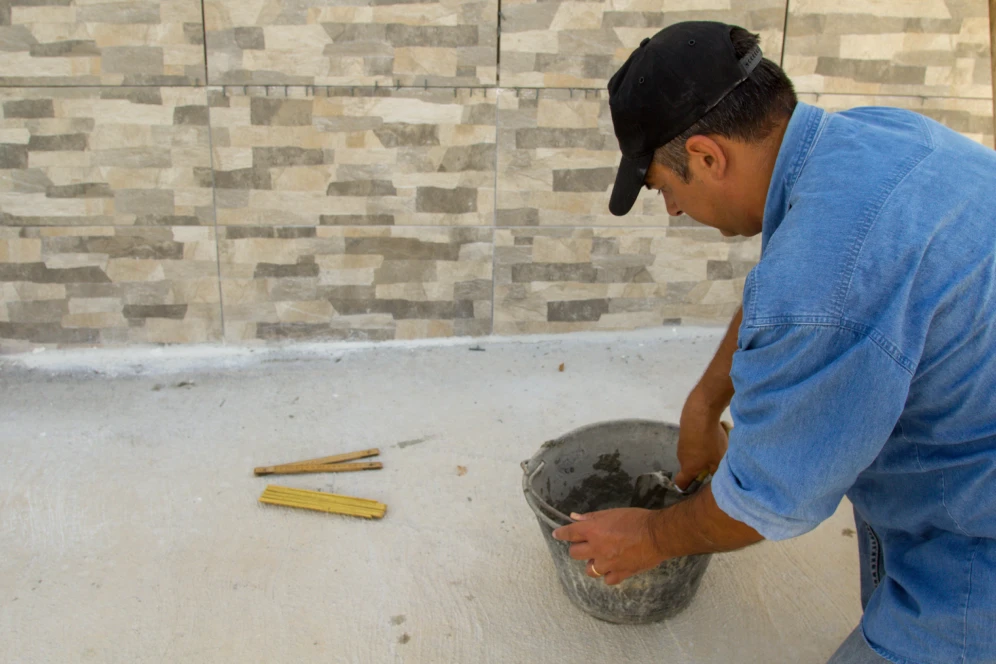
Choosing the Best Floor Tile Adhesive for Concrete Floors
There is a specific sound that every homeowner and contractor dreads. It is that hollow, echoing thud when you tap on a floor tile. That sound means one thing: the bond has failed, and sooner or later, that tile is going to crack. For decades, Indian construction relied on the traditional “sand-cement” mortar method. While this worked for small, porous ceramic tiles, it is a recipe for disaster with modern, large-format vitrified tiles especially when laying them over cured concrete. If you are renovating or building today, you need to move beyond cement. You need a specialized floor tile adhesive.
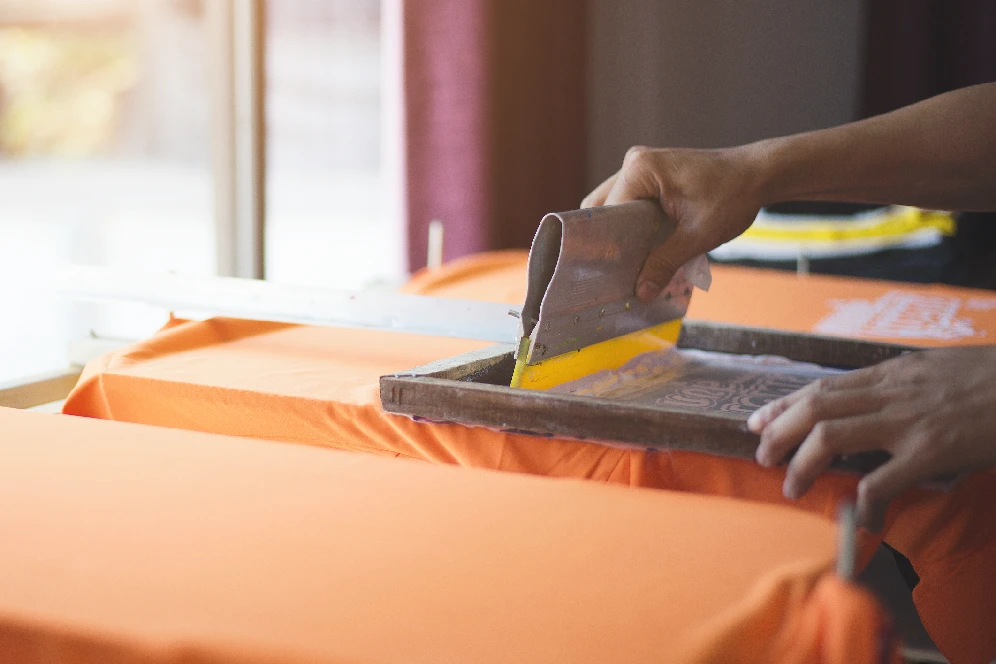
Lamination Adhesive Manufacturers in India for Packaging & Furniture
Lamination is the invisible shield of the manufacturing world. Whether it is a packet of potato chips that needs to stay crisp or a luxury wardrobe that needs to resist peeling, the adhesive layer is what defines the product’s lifespan. The market for lamination adhesive manufacturers in India is split into two distinct worlds: Flexible Packaging (for food, pharma, and FMCG) and Structural/Graphic Lamination (for furniture, printing, and paper). Choosing the right partner depends entirely on which of these worlds you operate in. In this post, we break down the top players in the Indian market, helping you source the
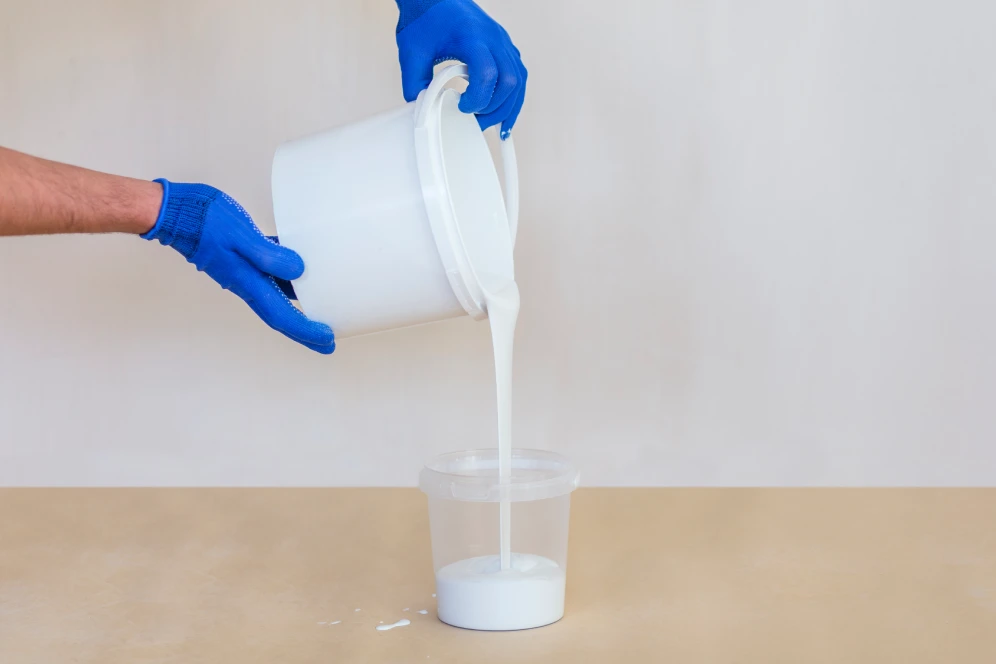
Starch Based Adhesives: The Future of Sustainable Packaging
In the world of packaging, strength is invisible. When a customer receives a package, they see the brand logo and the box condition. They don’t see the complex chemistry holding that box together. But as a manufacturer, you know that the adhesive for corrugated box production is the single most critical component after the paper itself. For decades, the Indian industry relied on Sodium Silicate (often called “glass water”). It was cheap, but it came with a heavy price: it cracked, it was highly alkaline (damaging printing inks), and it made boxes brittle over time. Today, the industry has shifted.