- magscience@domain.com
- Sunset Road ST.3319, Denpasar, Bali


Category: DF Blogs
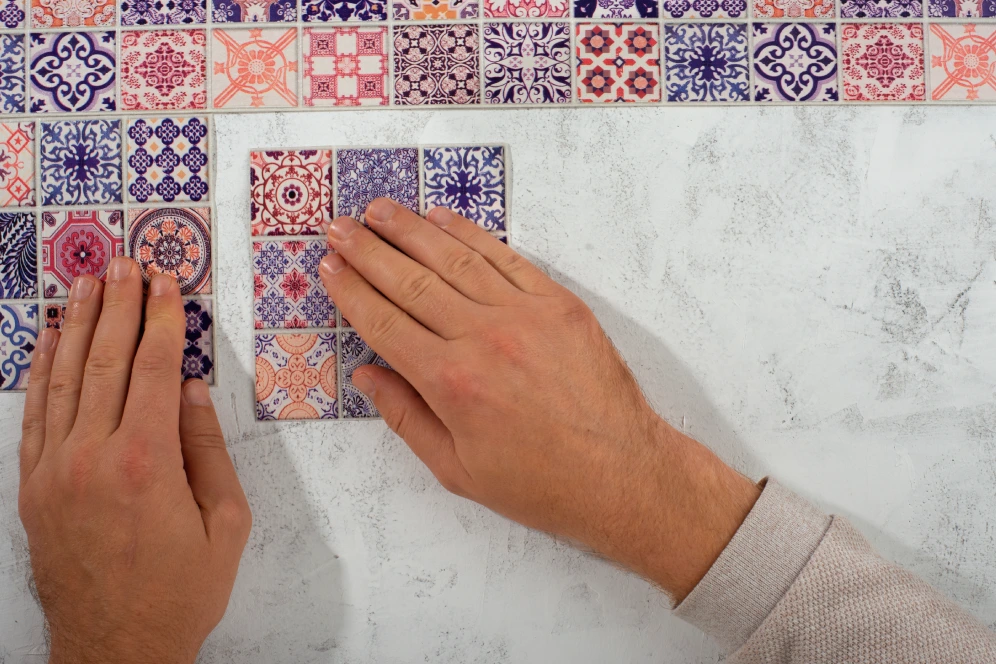
Floor Tile Adhesive Guide: Best Adhesive for Tile Floor & Concrete Surfaces in India
Flooring is one of the most visible and long-lasting investments you make in any building, residential, commercial, or industrial. And at the centre of every great floor installation is one critical decision: choosing the right floor tile adhesive. Whether you are a contractor laying tiles in a new housing project, a facility manager renovating an office, or a homeowner upgrading your kitchen or bathroom floor, the adhesive you choose determines how long those tiles stay firmly in place, how well they resist moisture and load, and ultimately, how professional the finished result looks. India’s tile adhesive market is growing at
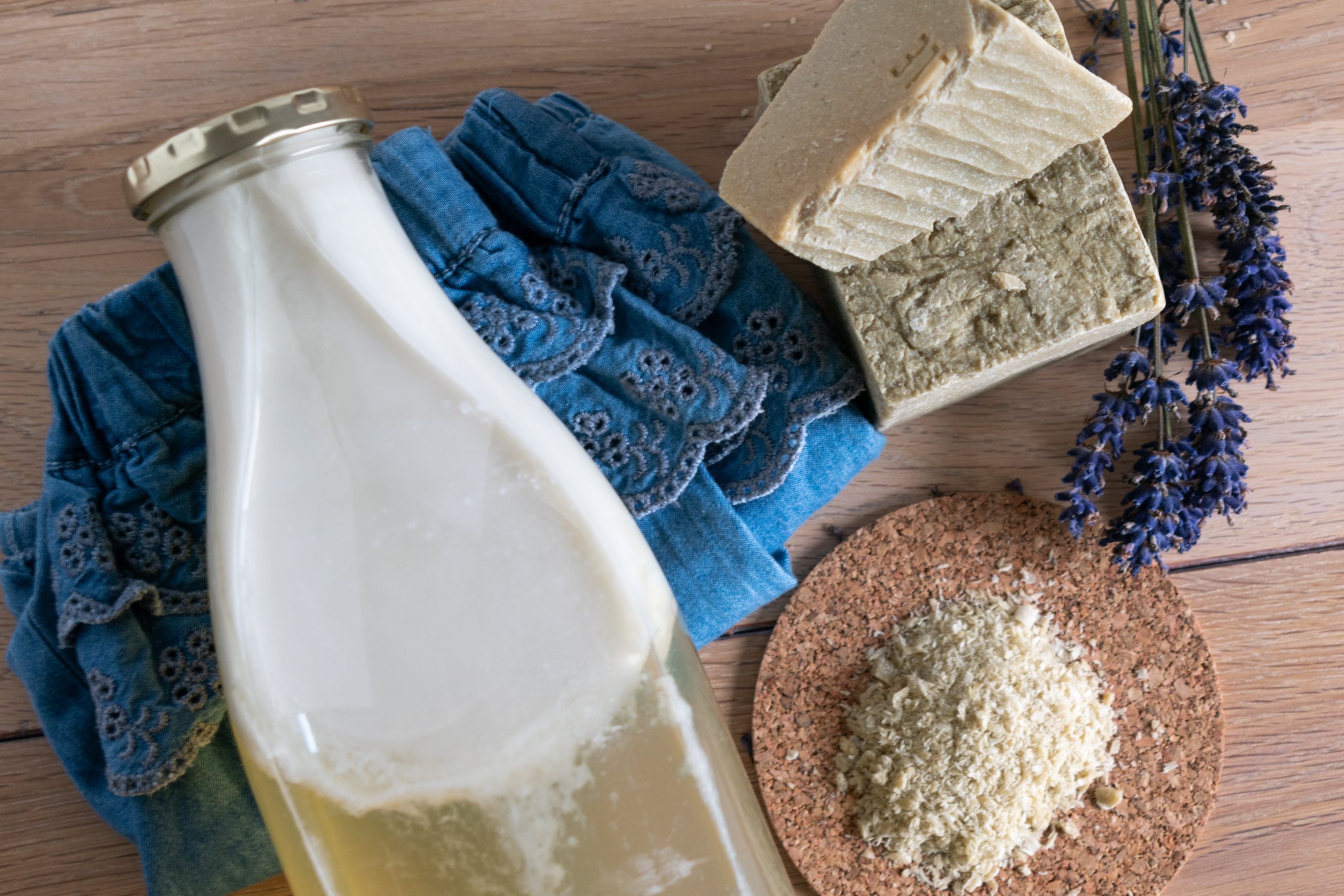
Eco-Friendly Adhesives for Packaging: Why Water-Based & Starch Adhesives Are the Future
Sustainability is no longer a buzzword in the packaging industry; it is a business imperative. As brands, manufacturers, and governments across India and the world respond to mounting environmental concerns, the packaging sector is under increasing pressure to eliminate harmful chemicals, reduce carbon footprints, and shift toward greener production practices. At the heart of this sustainability movement lies a critical but often overlooked material: adhesive. The adhesives used in packaging for lamination, corrugated boxes, carton sealing, paper conversion, and flexible packaging play a significant role in determining whether a product is truly eco-friendly or not. Solvent-based adhesives, once the industry

The Bond of Trust: Why Top Glue Manufacturers in India are the Silent Partners of Industrial Success
In the grand theater of industrial manufacturing, we often applaud the visible stars: the sleek chassis of an Electric Vehicle (EV), the vibrant packaging of a premium consumer product, or the towering height of a modern skyscraper. But behind these triumphs of engineering lies a silent, invisible force that makes it all possible. This is the world of the “invisible bond.” As we navigate through the industrial landscape of 2026, the relationship between a factory and its chemical supplier has fundamentally changed. We’ve moved past the era where a manufacturer simply ordered “buckets of sticky stuff.” Today, the choice of
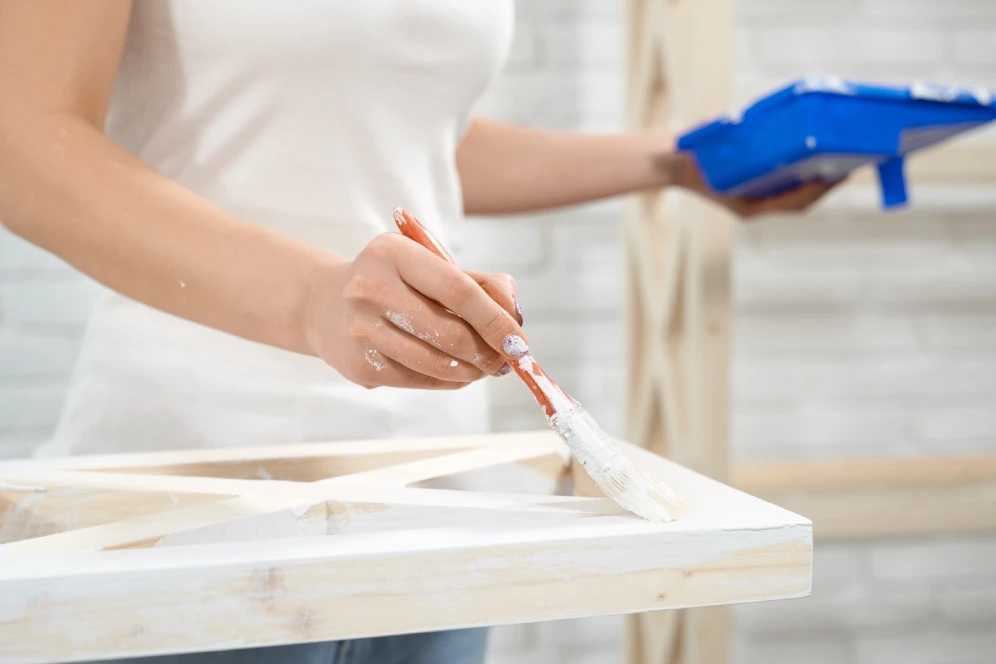
How to Choose the Best Adhesive for Wood for Every Project
There is something deeply grounding about working with wood. Whether you are a professional furniture manufacturer in a bustling Pune factory, a boutique carpenter, or a DIY enthusiast spending your Sunday in a home workshop, you know the feeling. It’s the smell of fresh sawdust, the texture of the grain under your palm, and that incredible satisfaction when two pieces of timber fit together perfectly. But as any veteran woodworker will tell you, the beauty of the joint is only half the story. The real strength of the soul of the piece lies in the bond. We have all experienced
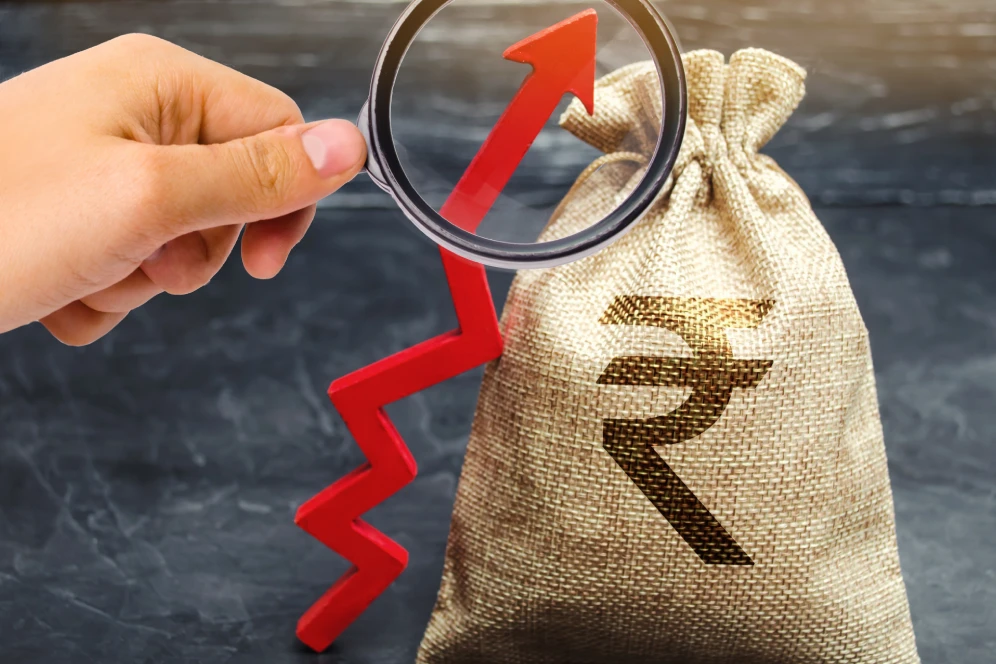
The Glue of the Economy: How ‘Make in India’ is Redefining Adhesive Demand
Walking into a manufacturing plant in India today feels different than it did just a decade ago. If you visit a high-tech facility in Pune or an electronics cluster in Noida, the loud, rhythmic clanging of heavy riveting machines has largely faded. In its place is a focused, almost surgical silence. You’ll see robotic arms moving with fluid grace, applying thin, precise beads of advanced materials that hold our modern world together. This shift represents a massive leap in how we build things. As the ‘Make in India’ initiative matures, we aren’t just making more products; we are making smarter
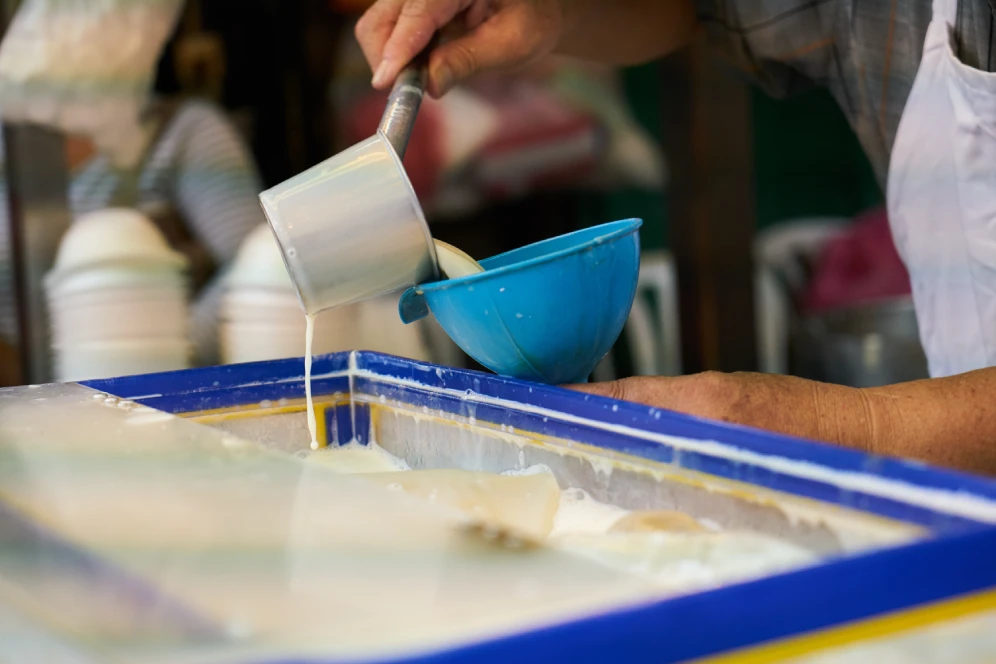
Why Top Adhesive Manufacturing Companies in India are Revolutionizing Side Pasting for 2026
In the fast-paced world of packaging, the “side paste” is the backbone of the carton. It is the single vertical seam that transforms a flat piece of printed paperboard into a functional box. While it may seem like a minor detail, any failure at this joint means a ruined product, a frustrated consumer, and a massive loss in brand reputation. As we move through 2026, the Indian packaging sector is undergoing a massive transformation. Consumer demand for e-commerce, processed foods, and high-end pharmaceuticals is at an all-time high. To keep up, adhesive manufacturing companies in India are no longer just

Beyond the Bond: Why Your Choice of Honeycomb Adhesive Defines Your Product’s Durability and Carbon Footprint
perhaps more importantly, the size of your environmental footprint. The Invisible Architecture: How Honeycomb Bonds Work To understand why the adhesive matters, we have to look at the physics of a honeycomb panel. When a sandwich panel is under stresswhether it’s a shipping crate being stacked or a partition wall in a buildingthe adhesive must act as a bridge. When you apply a honeycomb adhesive, it creates a “fillet” at the junction where the cell wall meets the facing sheet. If this fillet is too brittle, the panel will delaminate (peel apart) under vibration. If the adhesive is too heavy,
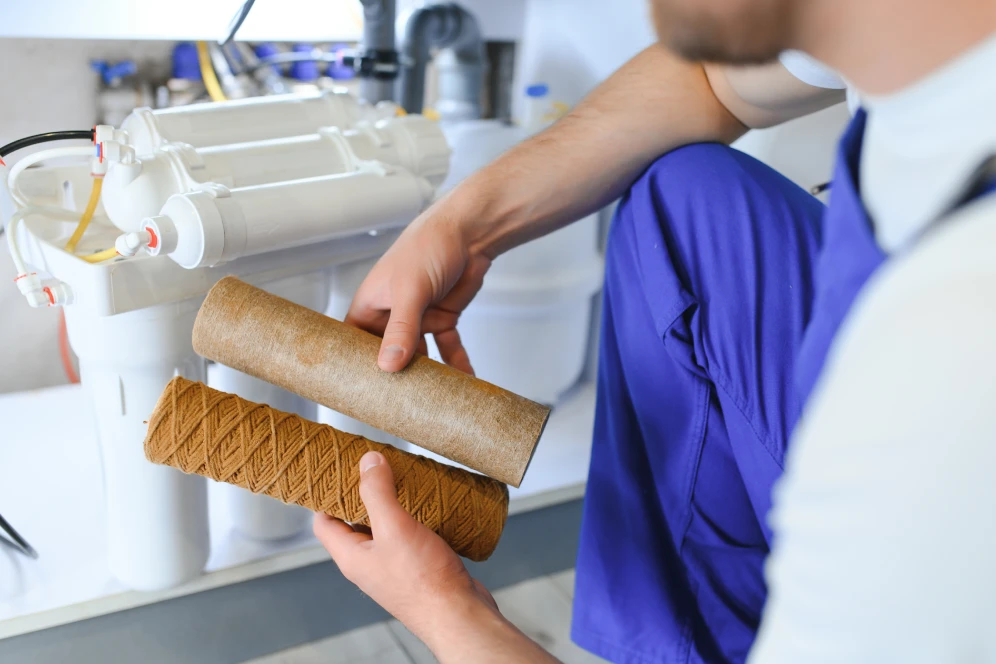
The Ultimate Guide to Paper Tube Adhesives: Why Modified Starch is the 2026 Industry Standard
In the world of industrial manufacturing, the hum of a paper tube winding machine is the sound of productivity. Whether you are producing heavy-duty shipping cores, composite cans for food packaging, or simple toilet tissue rolls, the structural integrity of your product depends on one invisible hero: the paper tube adhesive. As we move through 2026, the industry is witnessing a significant shift. Traditional “native” starches and expensive synthetic glues are being sidelined. In their place, modified starch-based adhesives have emerged as the gold standard for high-speed, sustainable, and cost-effective production. But why the sudden dominance? In this guide, we’ll
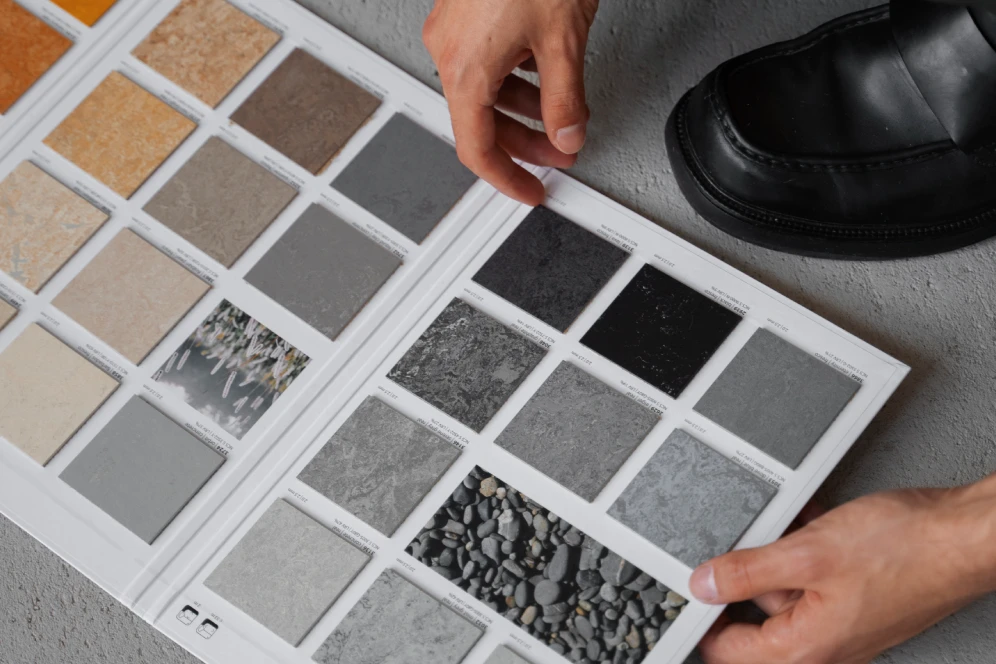
Choosing the Right Floor Tile Adhesive: The Ultimate Guide for Concrete Substrates
In the world of construction, the beauty of a floor is only as good as the chemistry beneath it. Whether you are installing large-format vitrified tiles in a living room or heavy-duty stone in a commercial lobby, the “bond” is everything. While many still cling to traditional methods, the industry has shifted. Today, a specialized floor tile adhesive is the only way to guarantee a floor that doesn’t hollow, pop, or crack. However, not all adhesives are equal. When you are working with concretea dense, rigid, and sometimes unpredictable surfaceyou need the best floor tile adhesive for concrete floors to
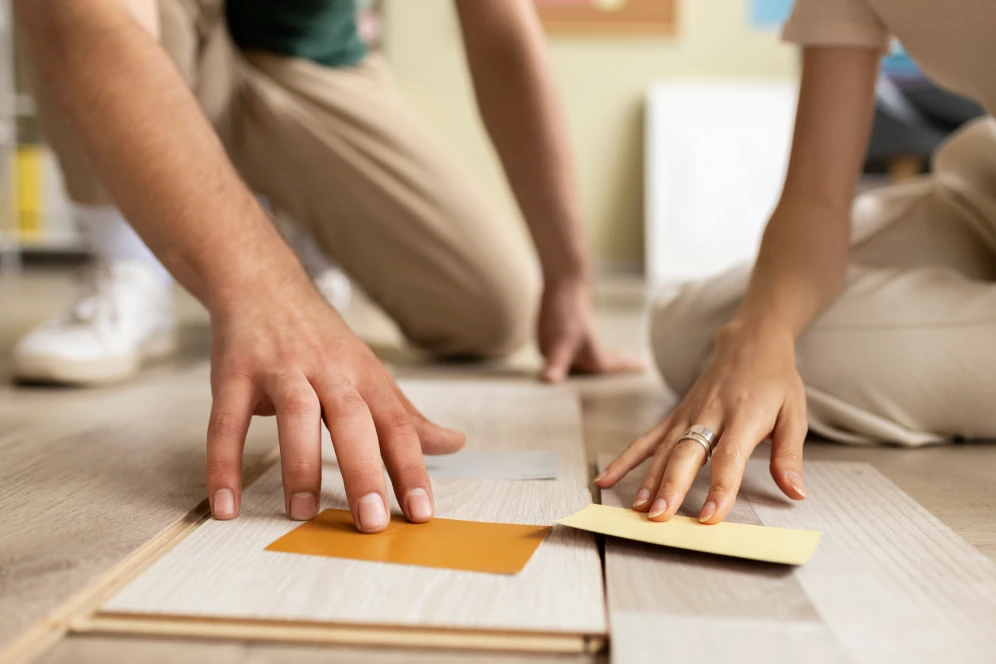
The Ultimate Guide to Wood Adhesive in India: Finding the Best Bond for Furniture and Flooring
Whether you are a master carpenter, an interior designer, or a homeowner investing in new furniture, you know that the “soul” of woodwork isn’t the timberit’s the bond. In India’s diverse climate, wood breathes. It expands in the humid monsoon and contracts in the dry heat. Without the right wood adhesive, even the finest teak or premium plywood will eventually warp, creak, or pull apart. The Indian woodworking industry has evolved. We have moved far beyond basic starches to high-performance polymers. Today, choosing the best adhesive for wood means understanding the specific demands of your project, whether it’s a kitchen